


Cloud Modernization in a Private Equity Portfolio: What Operating Partners Actually Have to Decide

An operating partner inheriting a portfolio company with a cloud modernization line item on the value-creation plan faces a specific problem: the CTO wants a nine-figure re-platform, the sponsor wants EBITDA in eighteen months, and the two are…

Cloud Migration for a Portfolio Company: What the Operating Partner Actually Has to Decide
An infrastructure line item shows up in the value-creation plan, someone calls it a cloud migration, and a budget request lands in front of the operating partner. The number is real. The commercial case is often not. Most…
Application Modernization in a Portfolio Company: What the Operating Partner Actually Has to Decide
A modernization request rarely arrives labeled as a financial decision. It shows up as an engineering ask: the platform is on an unsupported framework, the monolith slows every release, a cloud migration is “overdue.” By the time it…
Application Modernization for Private Equity: What Operating Partners Actually Need to Decide
Somewhere in the confirmatory diligence pack there is a line item that reads “legacy platform, modernization required.” It arrives with no baseline, no owner and no dollar figure, and it lands on the operating partner’s desk as a…
Accessibility Compliance Engineering in a Portfolio Company: What an Operating Partner Actually Has to Decide
A demand letter lands, or a customer’s procurement team flags the portfolio company’s web application as non-conformant, and suddenly accessibility is on the board agenda. The operating partner is not being asked to admire the standard. They are…
A West Monroe Alternative: How an Operating Partner Actually Judges the Fit
An operating partner reaches the point where a diligence read or a value-creation plan needs an outside firm. West Monroe is on the shortlist because it is competent and known. The real question is not whether West Monroe…
When to Outsource Sales Operations in a PE-Backed Company (and How to Judge It)
The revenue forecast in the model assumes a functioning sales operation. The company you just bought often does not have one. It has a founder who closed deals from memory, a CRM used as a contact list, and…
How to Hire a Sales Operations Consultant for a Portfolio Company Without Buying Activity
An operating partner rarely inherits a clean revenue function. More often the picture is a portfolio company two quarters into ownership where the forecast keeps slipping, the CRM holds three versions of the truth, and nobody can say…
RevOps Integration: Why Post-Merger Synergies Fail

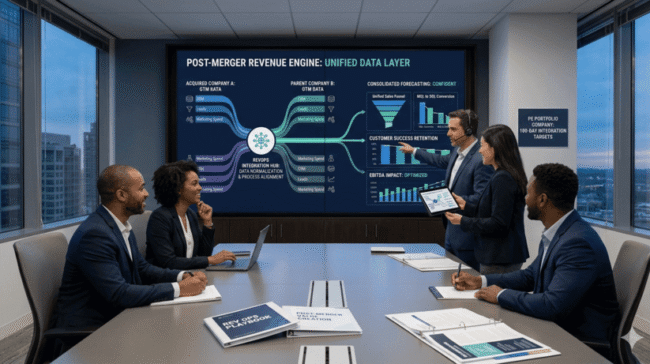
Post-merger integration is supposed to be the moment when the investment thesis becomes real. The deal closes, the teams align, and the clock starts ticking on value creation. In private equity, this window is unforgiving. The first 100…
The Science of Motivation in Employee Training

Employee training motivation is a critical factor in the success of organizational development programs. Understanding the psychological underpinnings of what drives employees to engage in and benefit from training initiatives can significantly impact the effectiveness of these programs…